






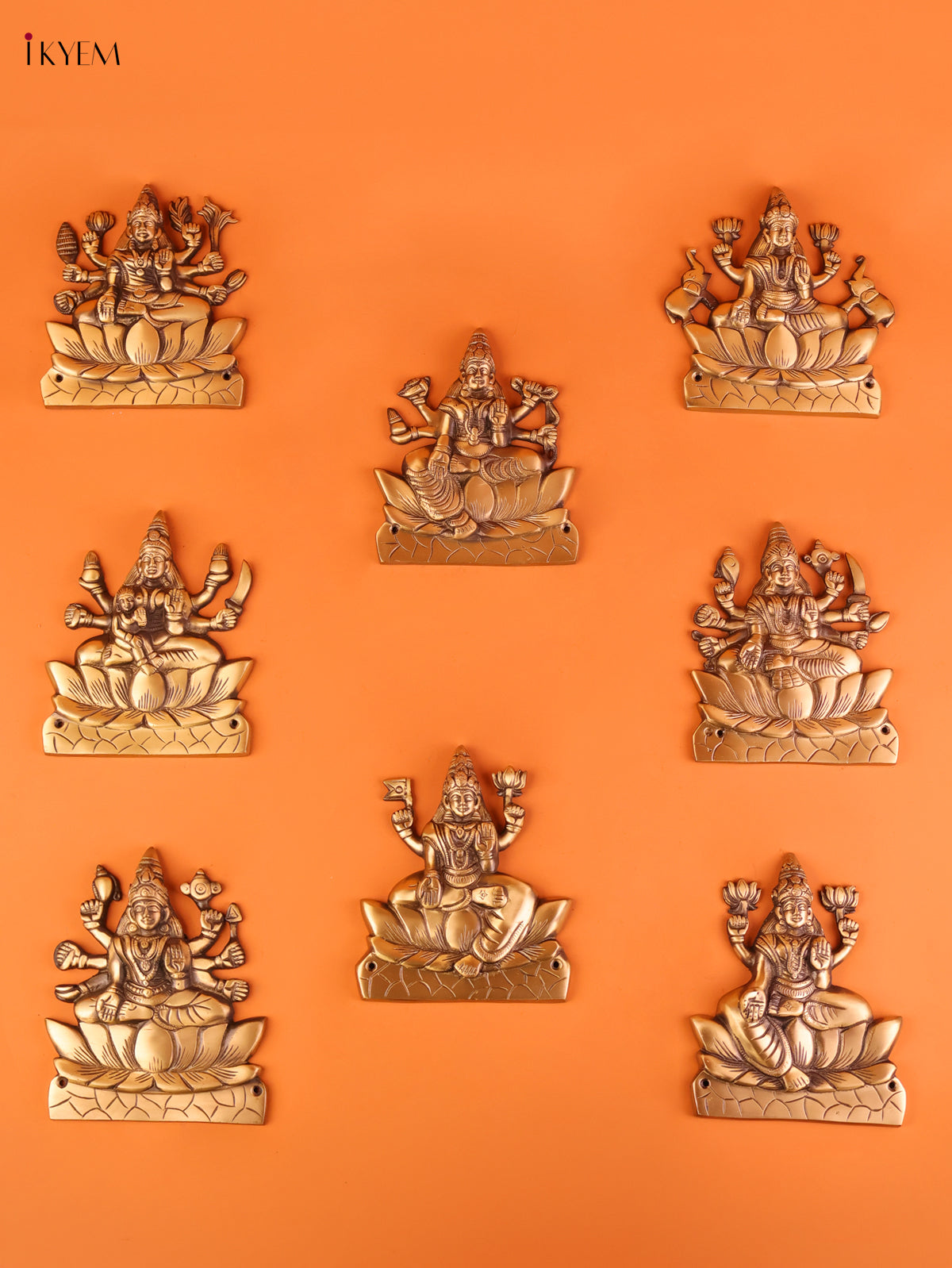
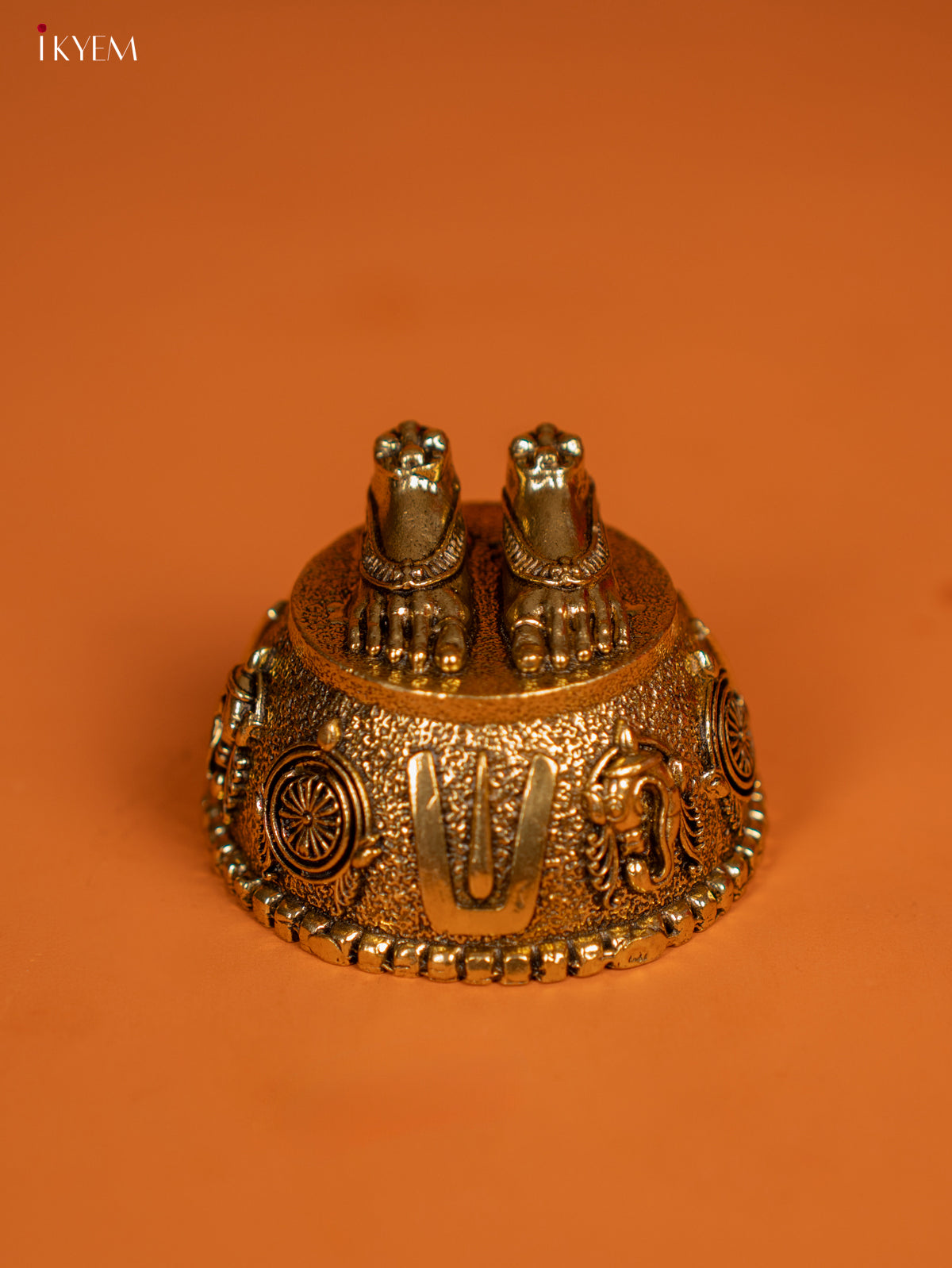

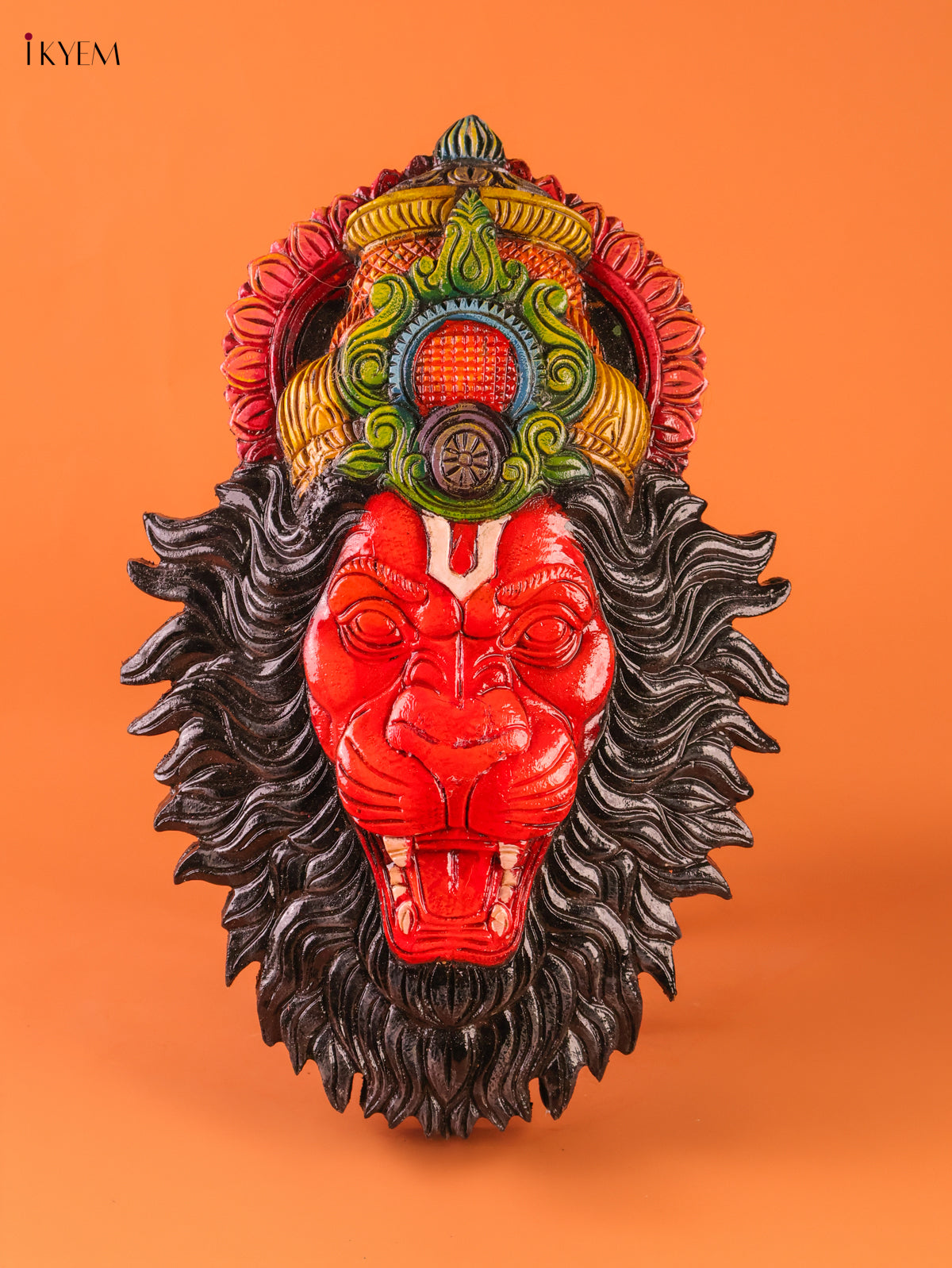
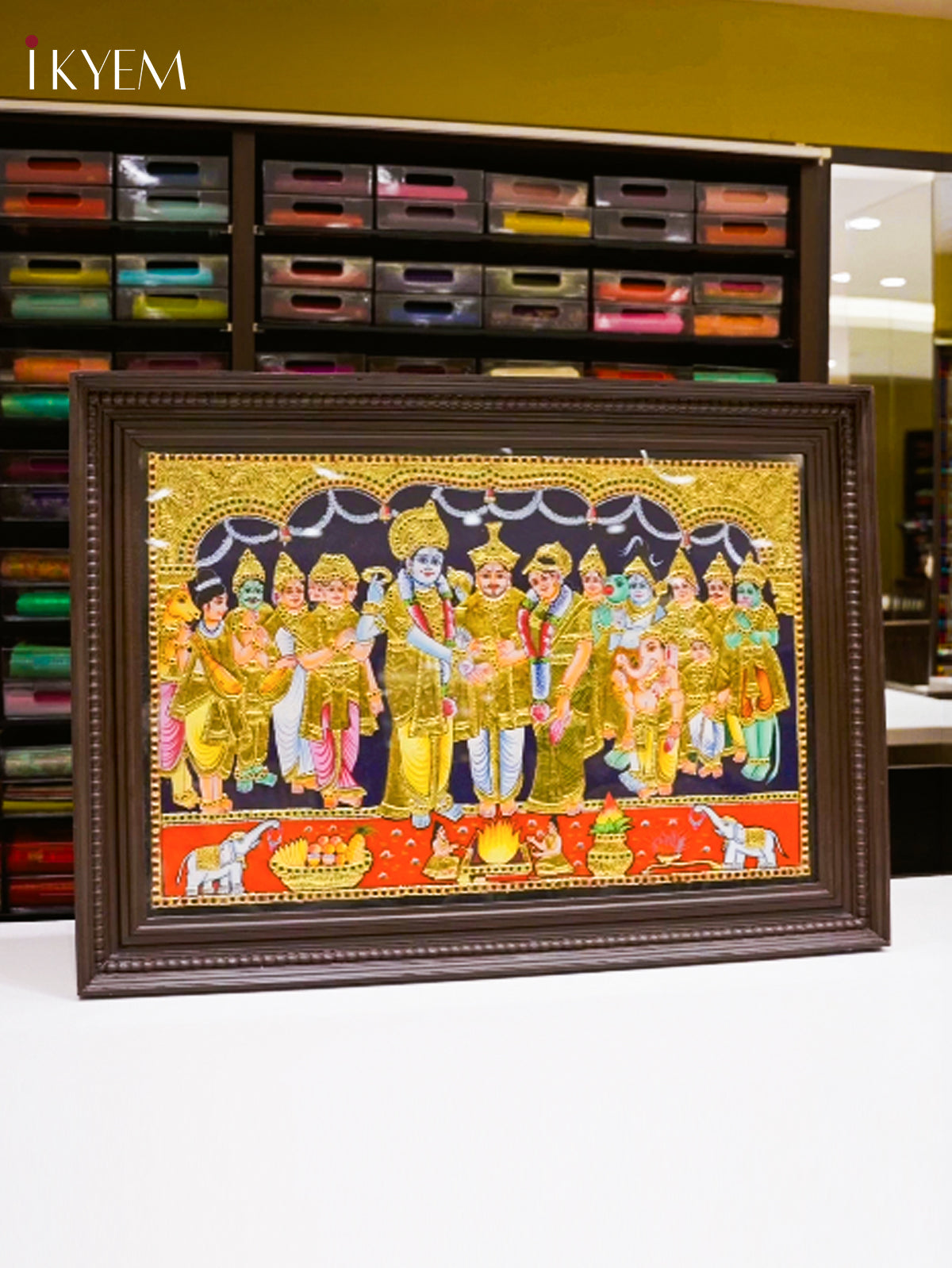

In small workshops tucked away in temple towns and rural pockets of India, wood rests quietly before it begins its transformation. For generations, artisans have learned to read its grain, understand its strength, and respect its spirit. Handcrafted wooden art is not rushed, it is shaped by time, patience, and inherited knowledge passed down through families who have worked with wood for centuries.
Many of these artisans come from lineages where carving was once tied closely to temples, palaces, and community spaces. As children, they watched elders sketch divine forms directly onto wood, guided not by stencils but by memory. Stories from epics, folklore, and nature were absorbed long before tools were ever held. By the time an artisan begins carving independently, the craft is already part of their muscle memory.
Across India, certain regions have become synonymous with fine wooden craftsmanship. Saharanpur in Uttar Pradesh is renowned for its intricate floral carvings and Mughal-inspired patterns, while Channapatna in Karnataka is celebrated for its lacquered wooden toys and turned wood artistry. In Kerala, temple towns are known for deeply detailed wooden panels and brackets used in traditional architecture. Rajasthan, particularly regions like Shekhawati, showcases bold carvings influenced by royal and desert aesthetics, and Tamil Nadu is home to master craftsmen who create ornate temple carvings and sculptural wooden décor rooted in Dravidian traditions. Each region carries its own visual language, shaped by climate, culture, and history.
Neem wood, rosewood, and other native timbers are often chosen not just for durability, but for their symbolism and practicality. Neem, in particular, is prized for its natural strength and resistance, making it ideal for detailed wall panels, brackets, and decorative frames. The wood is seasoned carefully, sometimes over months, ensuring it will endure both time and climate.
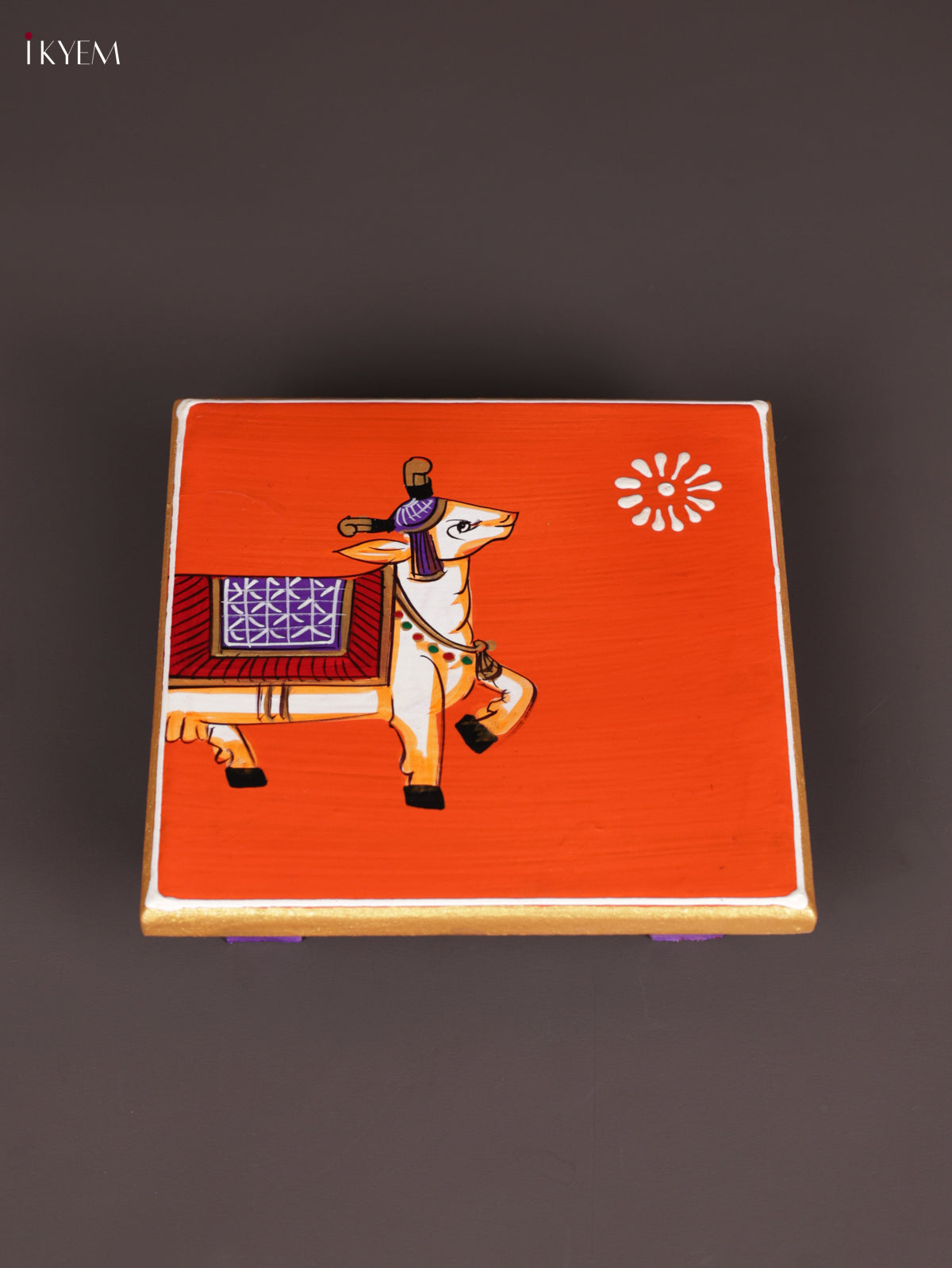
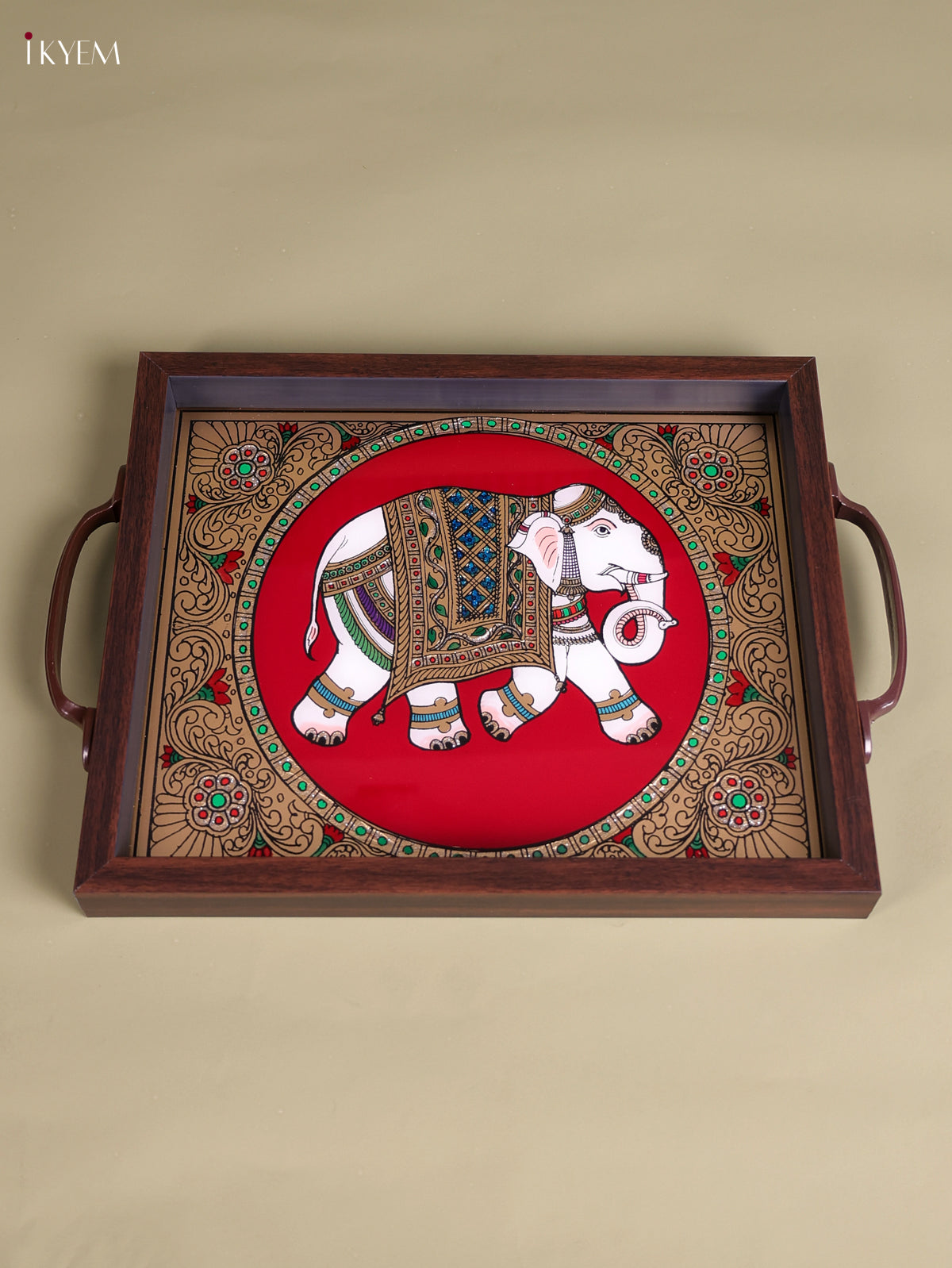
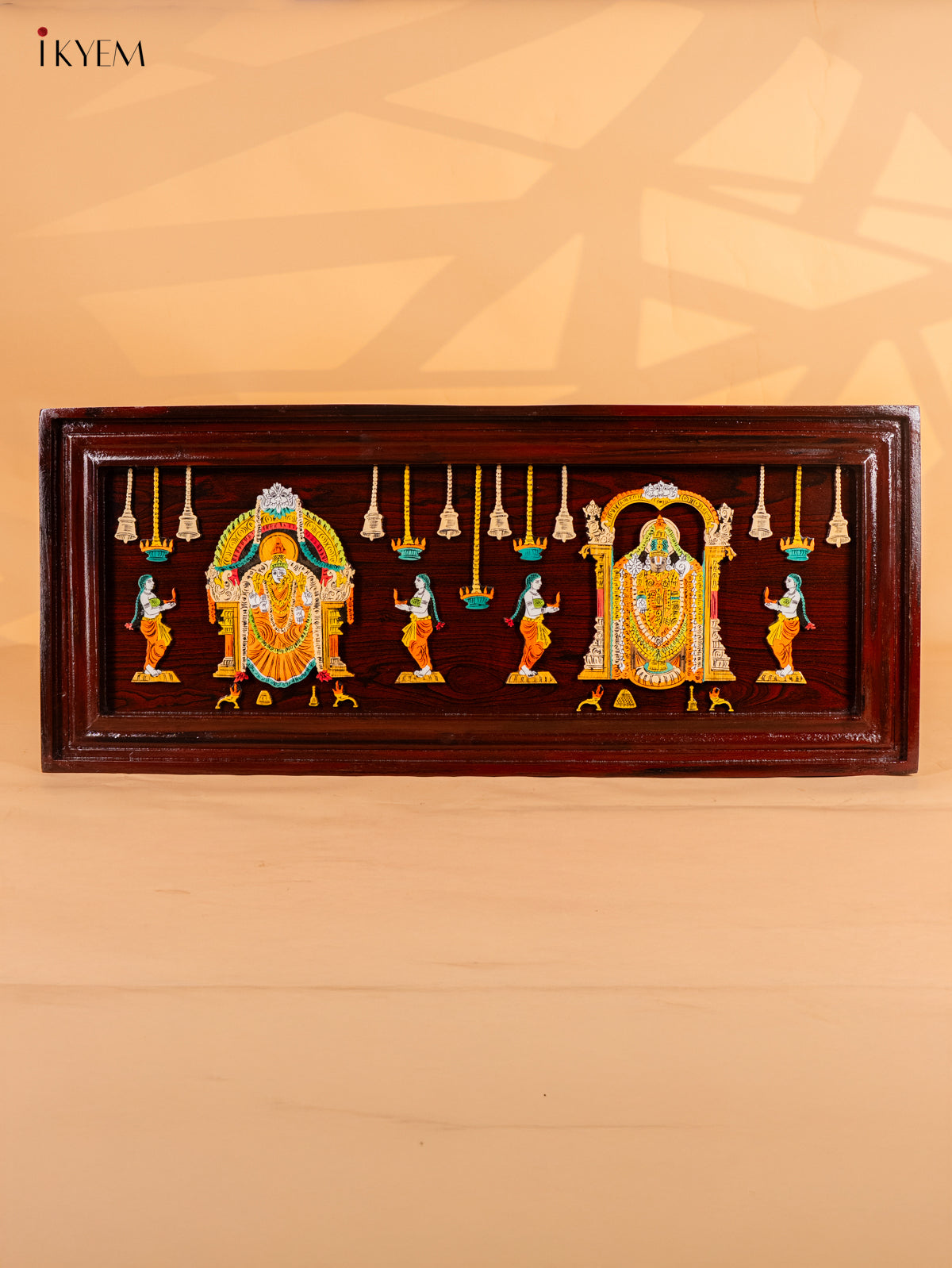
Each carved motif carries meaning. Deities symbolize protection and balance, floral patterns echo prosperity, and animal forms like horses or birds represent movement, strength, and freedom. These are not decorative choices alone; they reflect cultural beliefs woven into everyday life. Even functional objects like mirror frames, brackets, shelves are treated with the same reverence as sacred panels.
The carving process is slow and deliberate. Artisans work with hand tools, chiseling layer by layer, allowing the design to emerge naturally rather than forcing it. Mistakes are rarely erased; instead, they are adapted, becoming part of the piece’s character. This human touch is what sets handcrafted wood apart from machine-made décor, no two pieces are ever identical.
In recent years, handcrafted wooden art has found renewed appreciation. As homes become more conscious of sustainability and authenticity, people are drawn to objects that carry history rather than uniformity. Choosing handcrafted wood is not just about aesthetics, it is a way of supporting artisan communities and preserving skills that might otherwise fade.
Every finished piece leaves the workshop carrying more than craftsmanship. It holds the rhythm of chisels, the silence of focus, and the quiet pride of an artisan continuing a story that began long before them.