



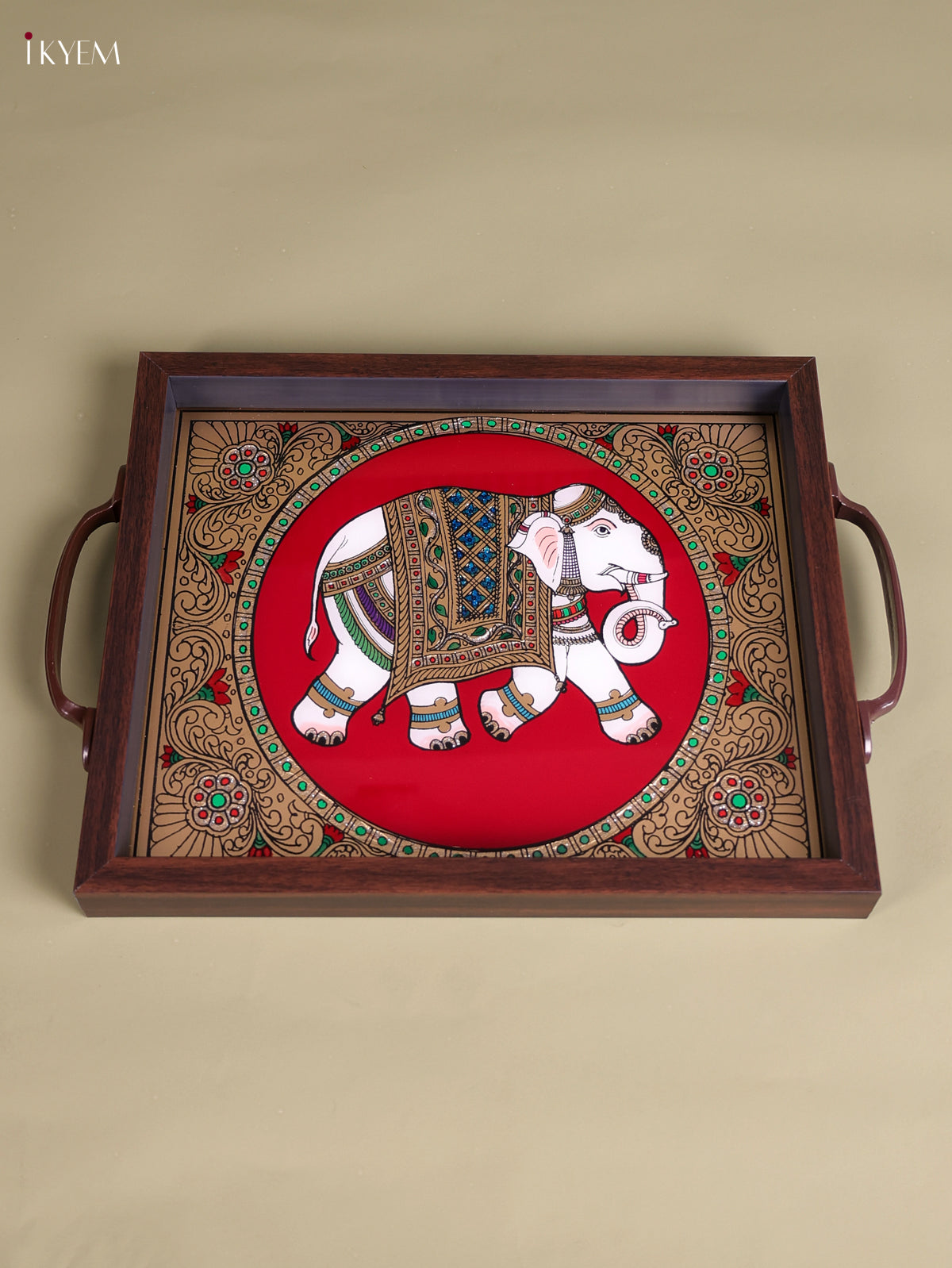
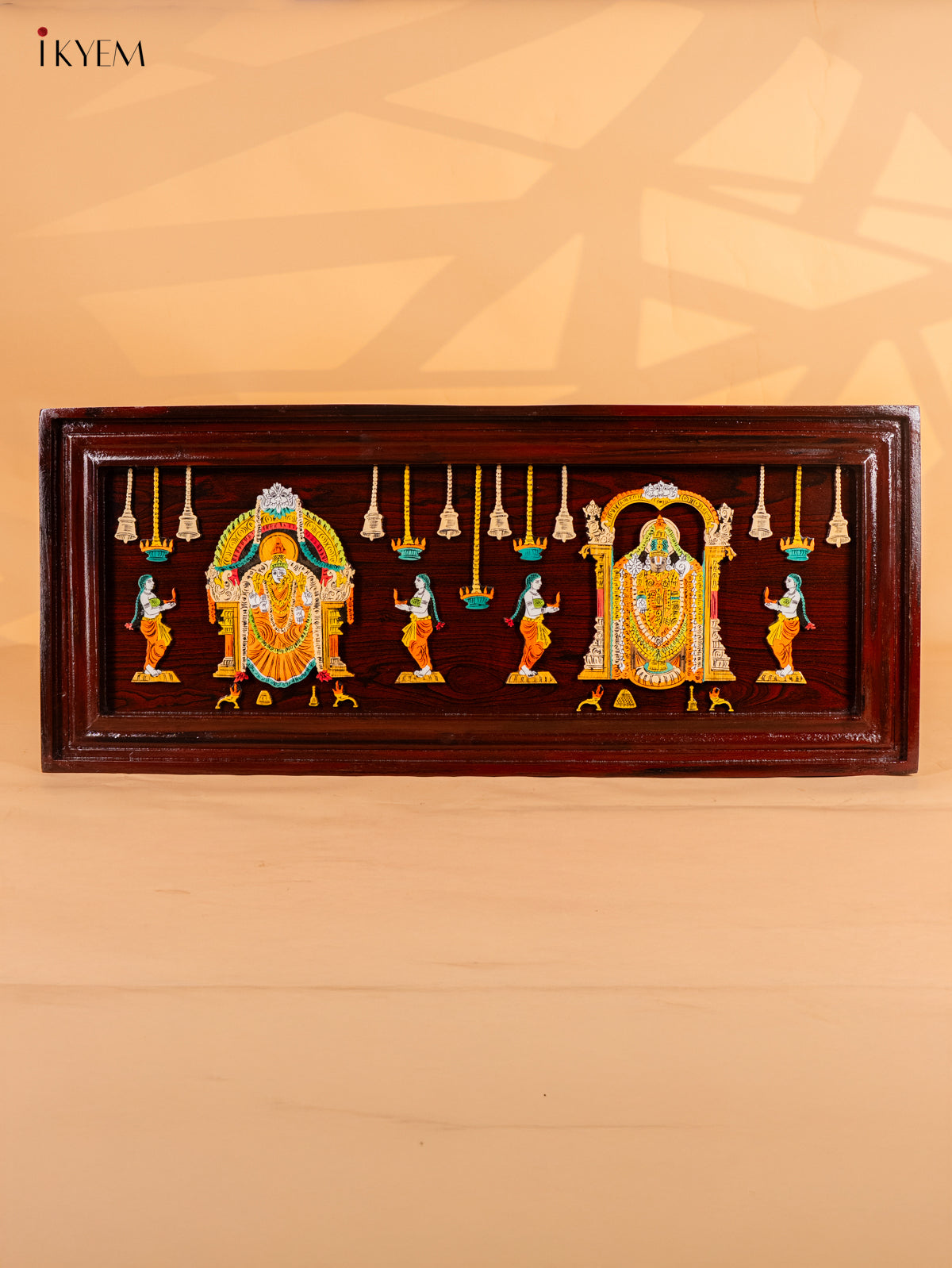



Imagine a time when stories weren't just spoken, but painstakingly painted onto walls, scrolls, and silk - vibrant tales spun not with thread, but with minerals, flowers, and gold. India's history is not just written; it's painted. These traditions, passed down through generations, are living testaments to the country's profound spiritual and cultural depth.
The Soulful Narratives of the North: Miniature Art

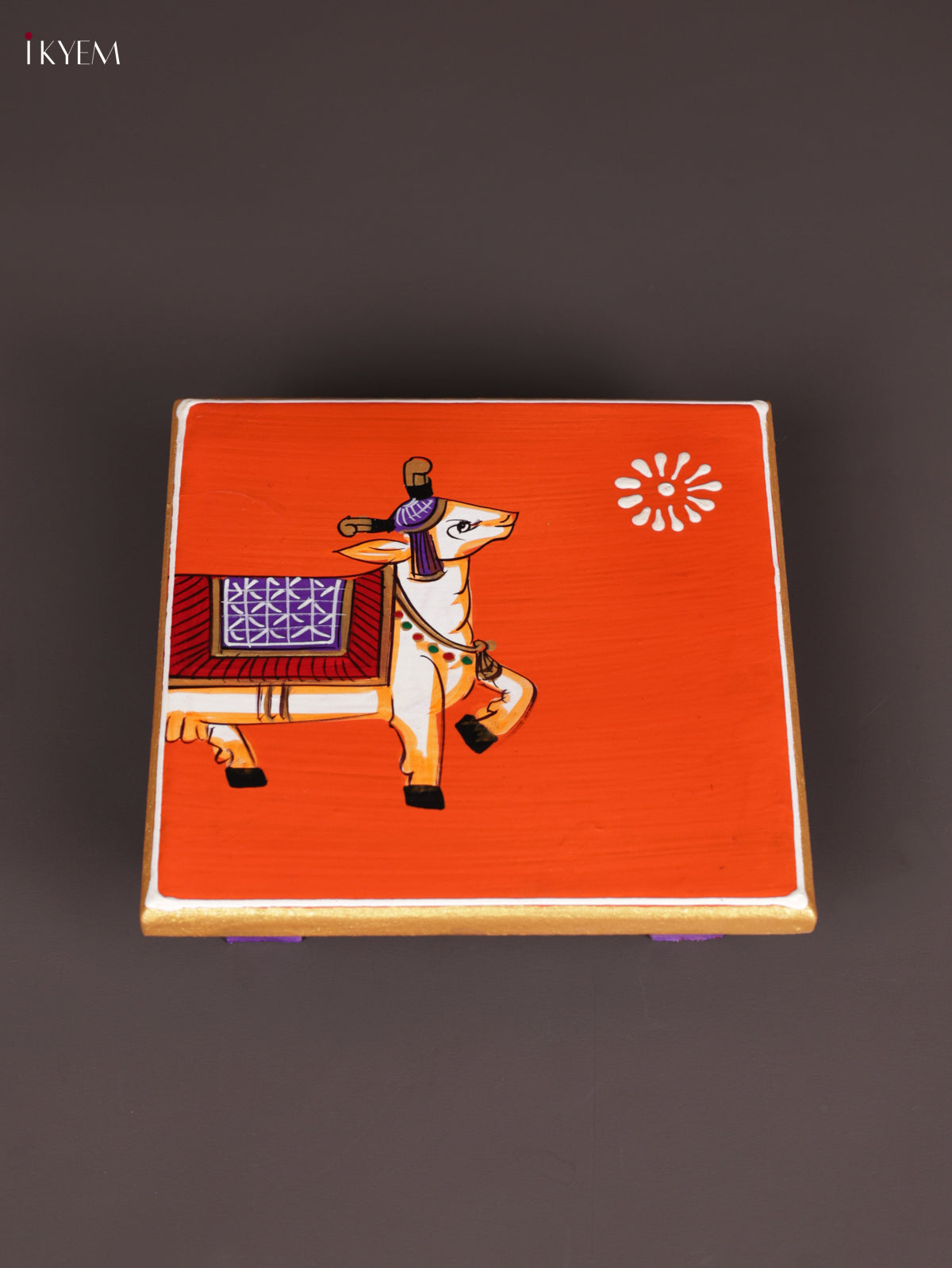
Travel back to the Mughal courts and the Himalayan foothills, and you discover the delicate world of Miniature Painting. This isn't just small art; it’s an art of incredible detail, where a single brushstroke can define a peacock feather. Rooted in Persian traditions but given a distinct Indian soul, these paintings, often done on paper or ivory, captured everything from royal hunts and historical battles to the exquisite poetry of the Ragamala (musical modes). The artists often painting under a single hair brush, mastered perspective and color, creating pocket-sized masterpieces that told grand, intimate stories.
The Earthy, Living Art: Tribal and Folk Forms


Move to the villages, and the art speaks of the earth and the gods. Warli painting, primarily from Maharashtra, uses a basic, graphic vocabulary - simple triangles, circles, and squares - to depict everyday life: harvests, dances, and ceremonies. This art is the heartbeat of the community. In Bihar, Madhubani (or Mithila art) bursts forth with bold geometric patterns and vibrant color. Traditionally done by women on freshly plastered mud walls, these paintings narrate scenes from Hindu mythology, nature, and the local festivals, acting as a visual language for the village's spiritual life.
The Gleaming Devotion: The Splendor of Tanjore

Now, let's step into the grandeur of South India, specifically the 17th-century Maratha court of Thanjavur (Tanjore), where a unique and dazzling art form blossomed: Tanjore Painting.
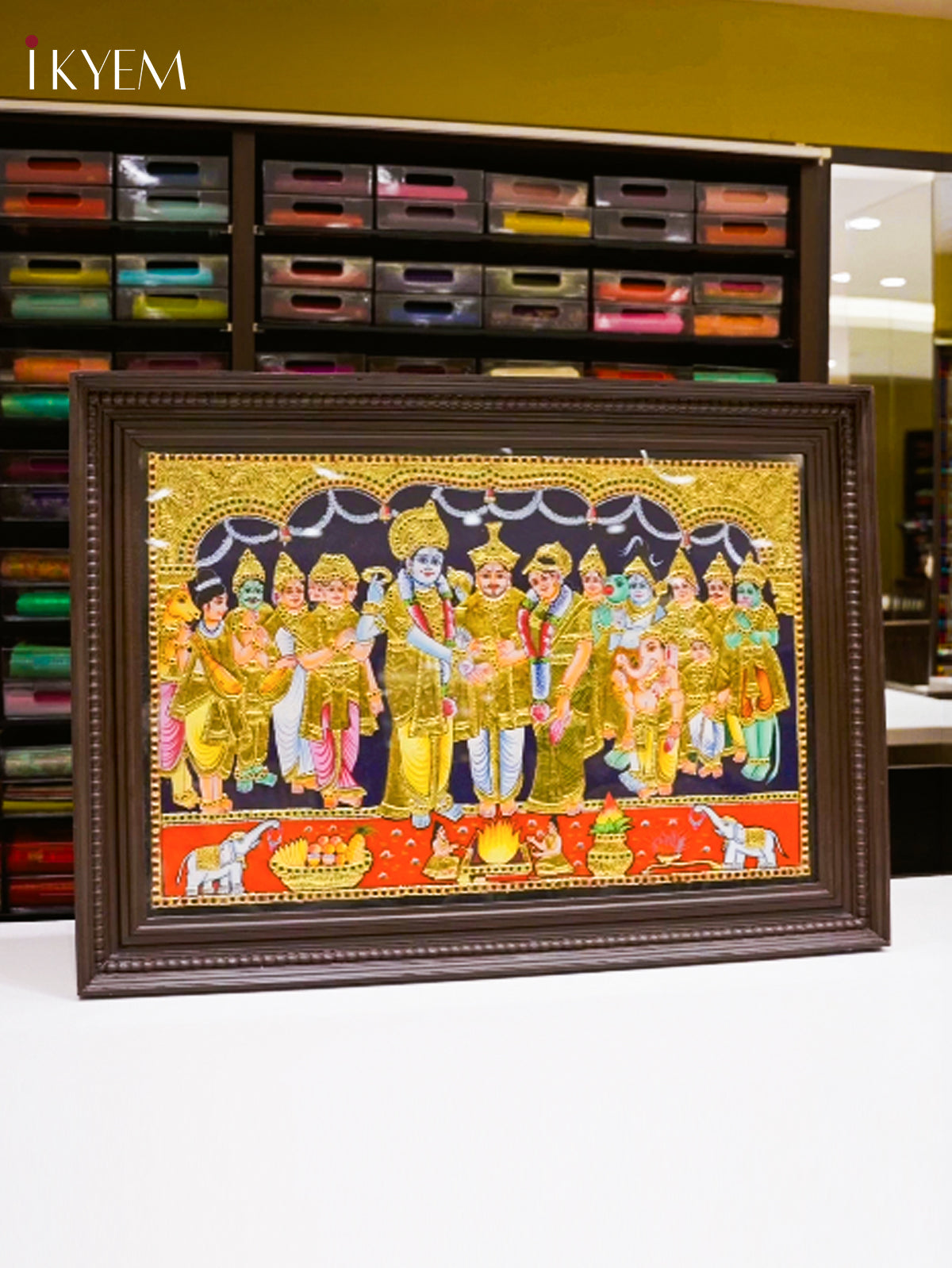
These paintings aren't merely decorative; they are deeply sacred artifacts, primarily depicting Hindu deities. The story of a Tanjore painting is one of meticulous layering and ultimate devotion. The artist first creates the image on a cloth base, but the magic happens next: the application of a relief work (a raised gesso paste) that gives the figures a three-dimensional effect.
The true signature, however, is the gold foil. Unlike other paintings where gold is mixed into paint, Tanjore artists apply thick sheets of 22-carat gold foil over the gesso work, making the deity literally glow. This gold, often complemented by embedded semi-precious stones (like rubies, emeralds, and pearls), ensures the artwork captures the light and reflects the divine brilliance. Owning a Tanjore painting is akin to bringing a sparkling, golden piece of that sacred heritage right into your home. It’s an art form that speaks not in whispers, but in a dazzling, glorious shout.
Indian painting is a living art. It’s a testament to the fact that every corner of the country, from the royal courts to the simplest mud hut, had a profound and beautiful story waiting to be told on a canvas.